
The farm
About the herd
A full-blood Wagyu herd on 110 acres at Silliot Hill, Kilcullen — started in 2008 with 51 imported embryos and built out from two remarkable animals.
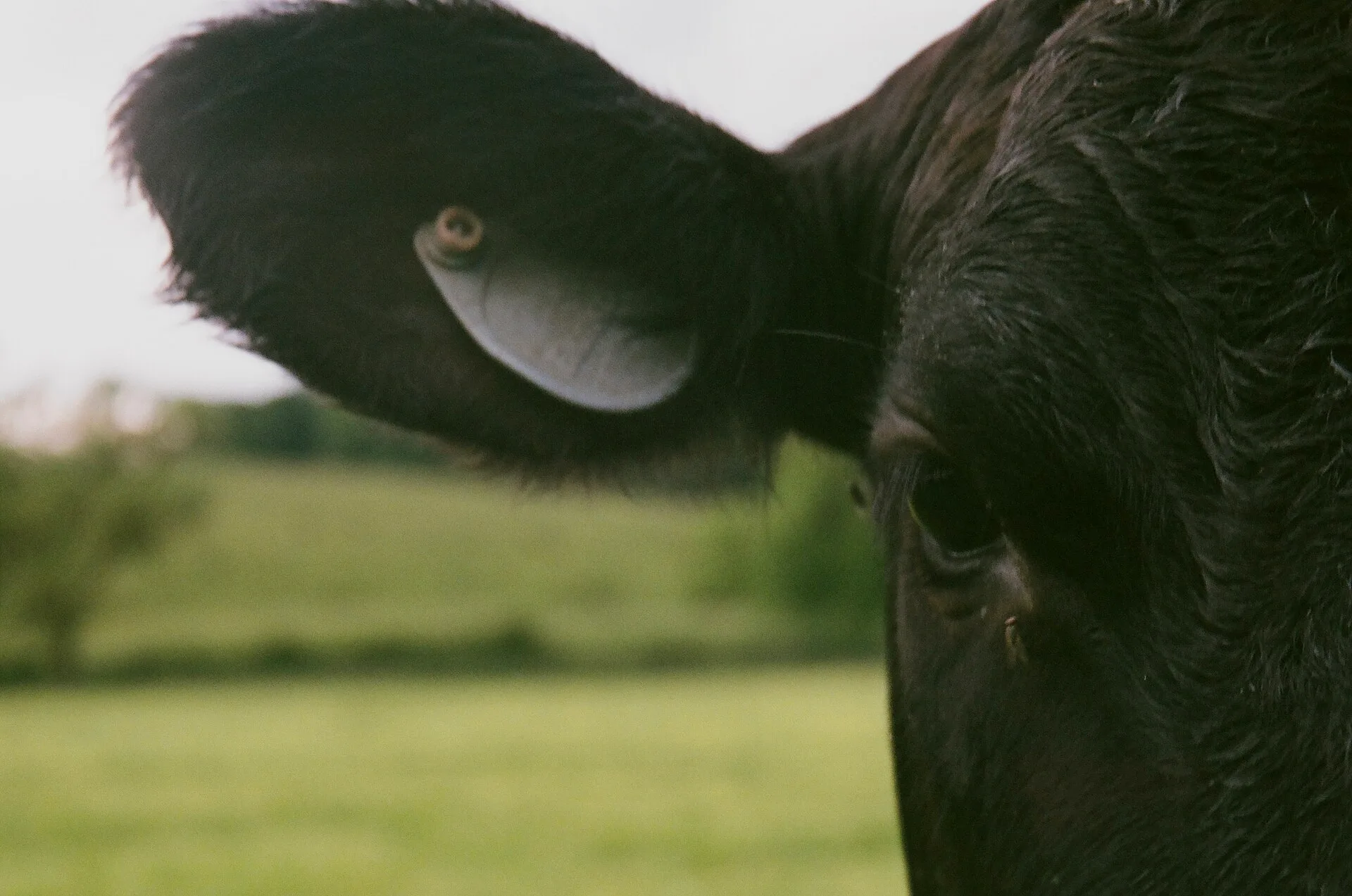
How the herd began
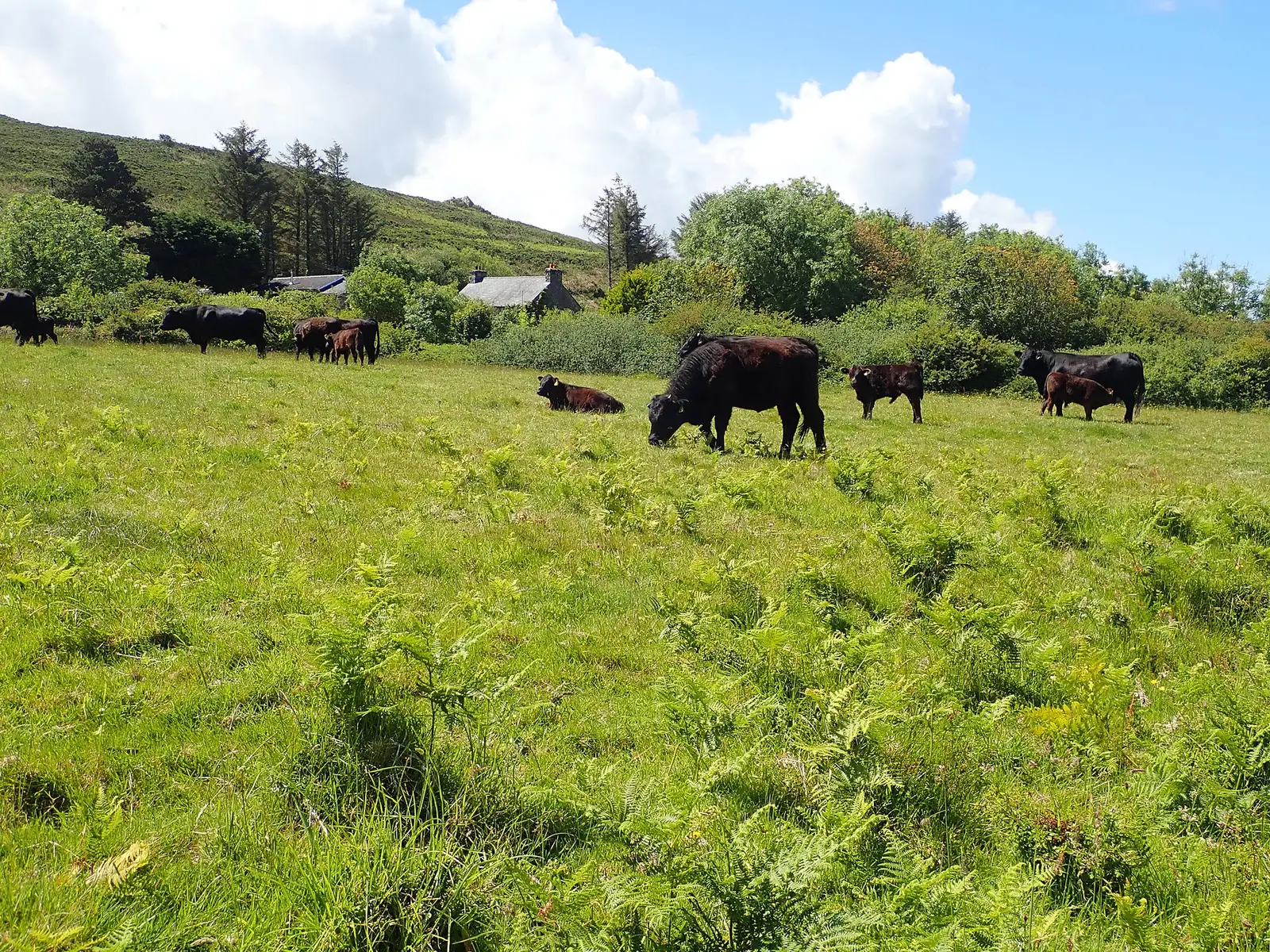
This was a Friesian dairy farm before it was anything else, and Belgian Blues after that. The Wagyu came in 2008, when we imported 51 embryos from Australia — an outlay that cost roughly what a new tractor would have, and one we thought about for a good while before committing to it.
The conception rate was disappointing, which stung more than it might have: we had been in the embryo business for twenty-five years by that point and had every reason to expect better. The first calves arrived the following spring. That is the unglamorous version, and it is the true one — the herd did not begin with a plan that worked, it began with a plan that half worked and was rescued by two exceptional animals.
The two animals it is built on
Ohanasaki Breda is the reason there is a herd here at all. She produced embryos almost as an afterthought while still rearing good calves of her own — forty-two of her calves were born in a single year. Her pedigree traces back to Dai 2 Kinntou, one of the most prolific cows in Australia.
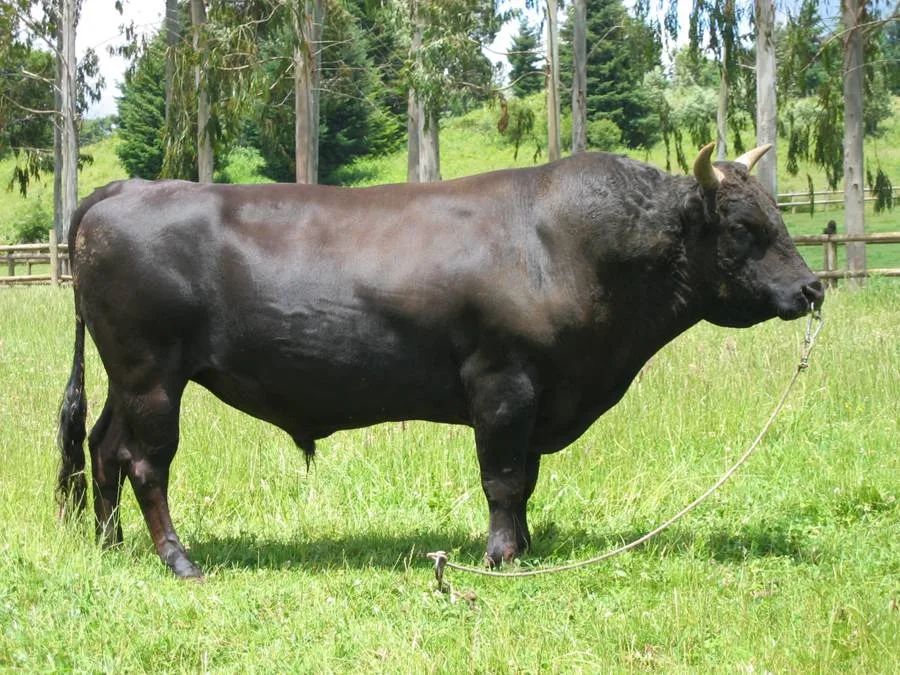
Ohanasaki Brilliant, our stock bull, served the cows for years and was quieter and kinder than a Saint Bernard. We did not fully appreciate what we had in him until a crossbred son of his marbled exceptionally well and ended up on the menu of a top Dublin restaurant. We had collected semen from him by then, and it has been in demand at home and abroad ever since.
Bred on figures, not on looks
We select on Australian estimated breeding values rather than on what an animal looks like standing in front of you. A Wagyu that catches the eye in a pen tells you very little about the carcass it will produce three years later, and the trait that carries the value — marbling — is the one you cannot see from the outside at all.
Every animal is registered and DNA parent-verified, and the paperwork goes with it when it is sold. Ask about the pedigree before you buy anything from anyone. A breeder worth dealing with will be glad you asked.
Where the cattle have gone
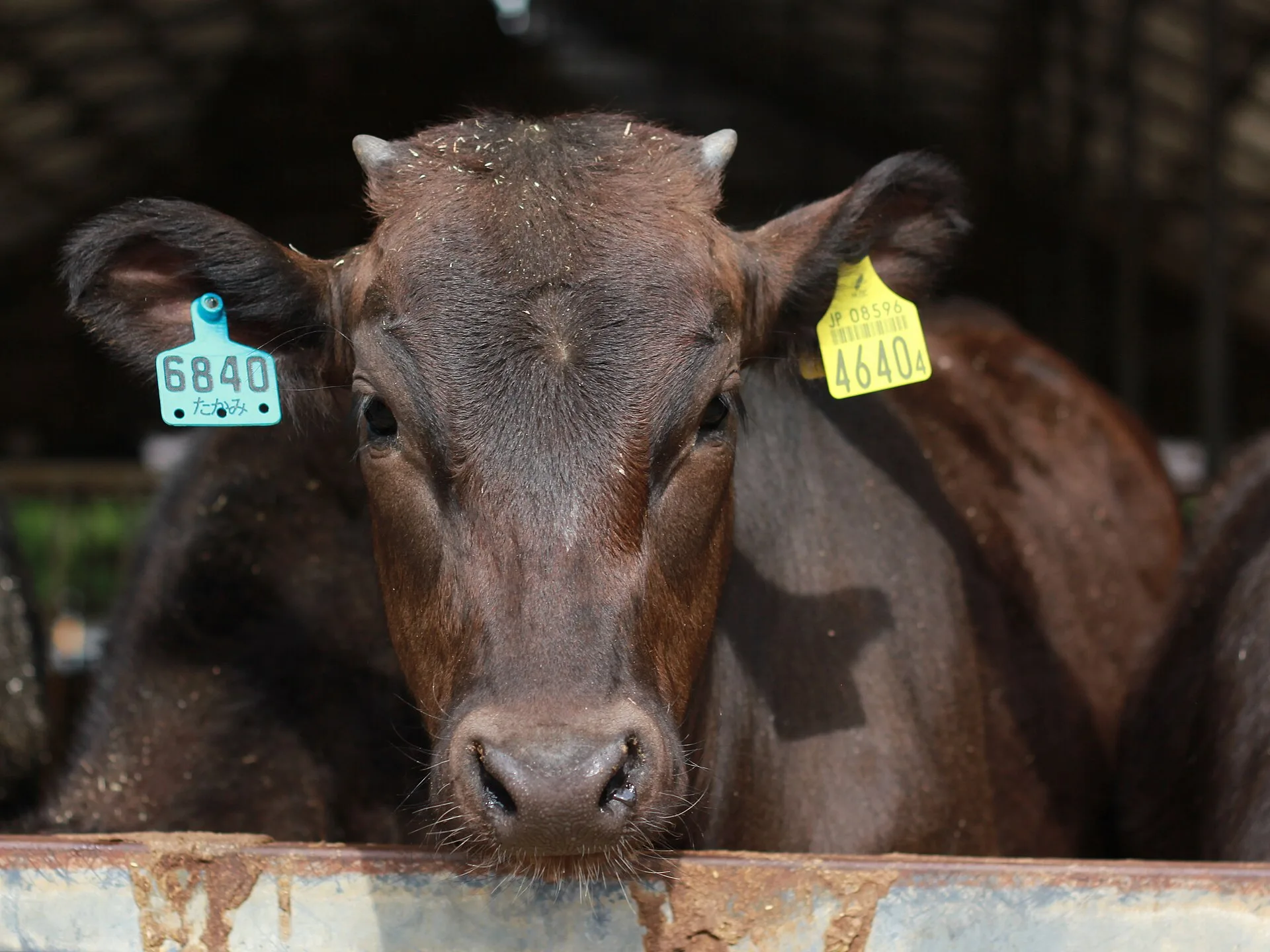
Semen, embryos and live cattle from this herd have gone to buyers across Europe. The early sales went to France, Spain and Scotland. In 2019 six of our bulls went to an 800-cow British Friesian herd in Carmarthenshire, replacing the Jersey genetics they had been using. In 2025 a consignment of twenty registered females, two stock bulls and a quantity of semen and embryos travelled three days by road to a buyer in Pombal, Portugal, after a Portuguese delegation came to see the herd here.
In 2022 we held what we believe was the first sale of registered full-blood Wagyu cattle in Ireland — forty-four lots across heifers, bulls, steers, semen and embryos. We welcome genuine enquiries from anywhere in the world, and we will do our utmost to supply the very best.
What Wagyu actually means
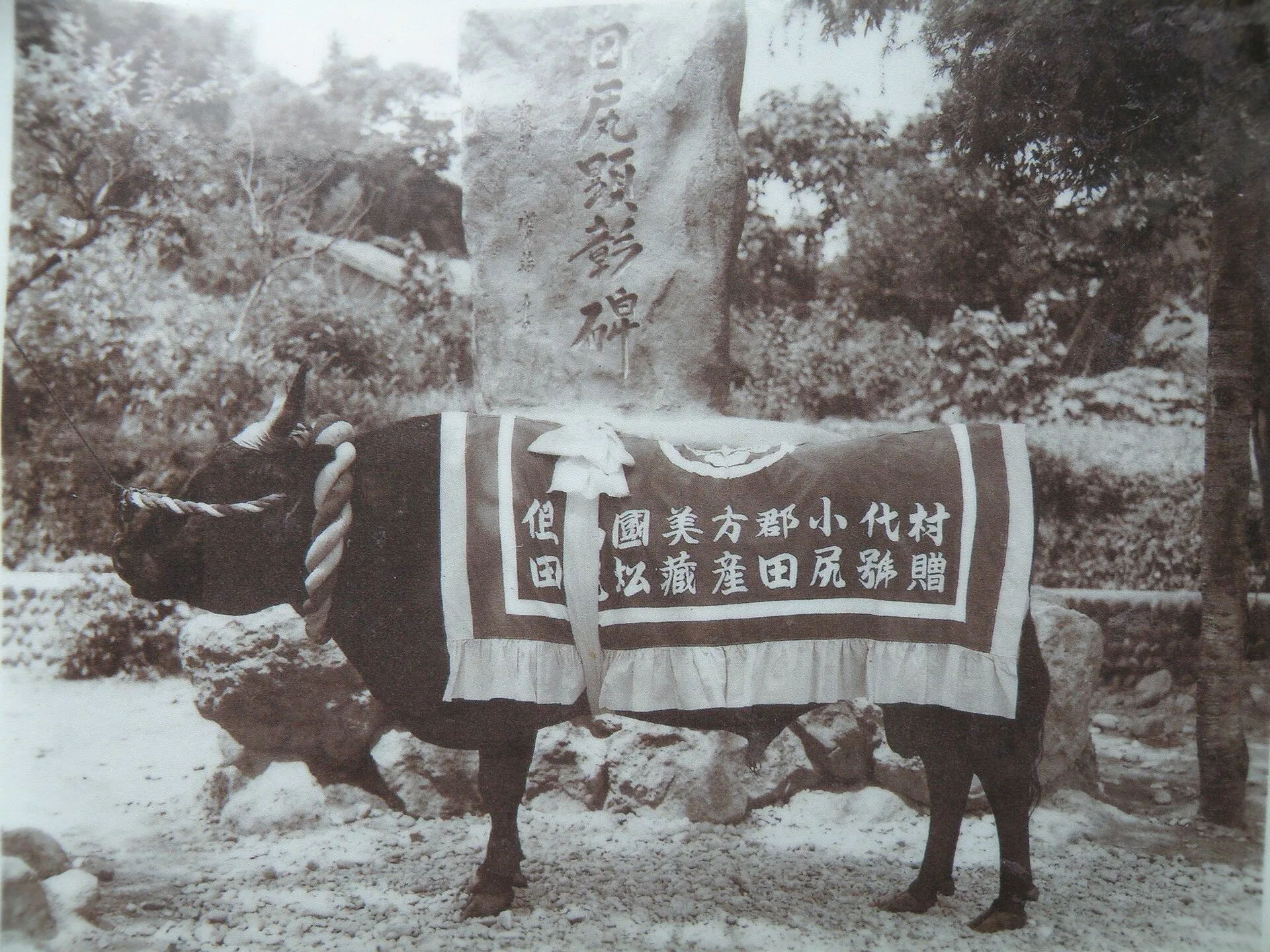
"Wagyu" simply means "Japanese cattle". It is not one breed but four: Japanese Black, Japanese Brown, Japanese Shorthorn and Japanese Polled. Effectively all of the Wagyu found outside Japan — and all of our herd — is Japanese Black, the strain responsible for the intense intramuscular fat the breed is known for.
The animals were working cattle for centuries, used for draught in rice paddies, and were selected for stamina and for the ability to store energy inside the muscle rather than on the outside of the carcass. That working history is the reason the meat looks the way it does today. It was an accident of agricultural need long before it was a luxury product.
Marbling and how it is graded
Marbling is intramuscular fat — the fine web of fat inside the muscle rather than around it. It is what makes Wagyu tender and gives it the low melting point that produces its texture.
Japan grades carcasses on a Beef Marbling Standard (BMS) scale from 1 to 12, combined with a yield grade of A to C, so the familiar "A5" means top yield grade and BMS 8–12. Australia uses an AUS-MEAT scale running 0–9 plus an extended MSA scale to 9+. Ireland and the rest of the EU use the EUROP conformation grid, which was designed for conventional beef and frankly does a poor job of describing a Wagyu carcass — it measures shape and fat cover, not the marbling that carries the value. Anyone finishing Wagyu here needs to understand that the grid they get paid on is not the grid that reflects the product.
Why the breed suits Irish farming
Ireland grows grass better than almost anywhere, and that is a genuine advantage rather than a compromise. Wagyu finish slowly — typically 30 months and upwards against 20–24 for conventional continental cattle — and that long, unhurried finish is well matched to a grass-based system with a cereal-supported finishing period rather than a feedlot.
The cattle themselves are practical to keep. They are small at birth, which makes them a genuinely low-risk terminal sire over dairy heifers and a reason many Irish dairy farmers use Wagyu straws. They are docile enough to handle single-handed. They are hardy outdoors. The trade-off is patience: you are carrying an animal considerably longer than you are used to, and the economics only work if you have a buyer for the end product or a breeding market to sell into.
Bloodlines and why they matter
Japanese Black is divided into prefectural lines, and breeders talk about them constantly because they pull in different directions. Tajima (from Hyogo) is the source of the famous Kobe beef and delivers exceptional marbling and fine fat texture, but on smaller-framed, slower-growing animals. Kedaka (Tottori) brings growth and frame. Shimane and Fujiyoshi (Okayama) sit somewhere between, offering size with reasonable marbling.
A sound breeding programme balances these rather than chasing one. A herd bred entirely for marbling ends up with animals too small and too slow-maturing to make commercial sense; a herd bred entirely for growth loses the very thing people are paying for. There is a fuller explanation of the four lines and the trade-off between them on the articles page.
Getting started with Wagyu
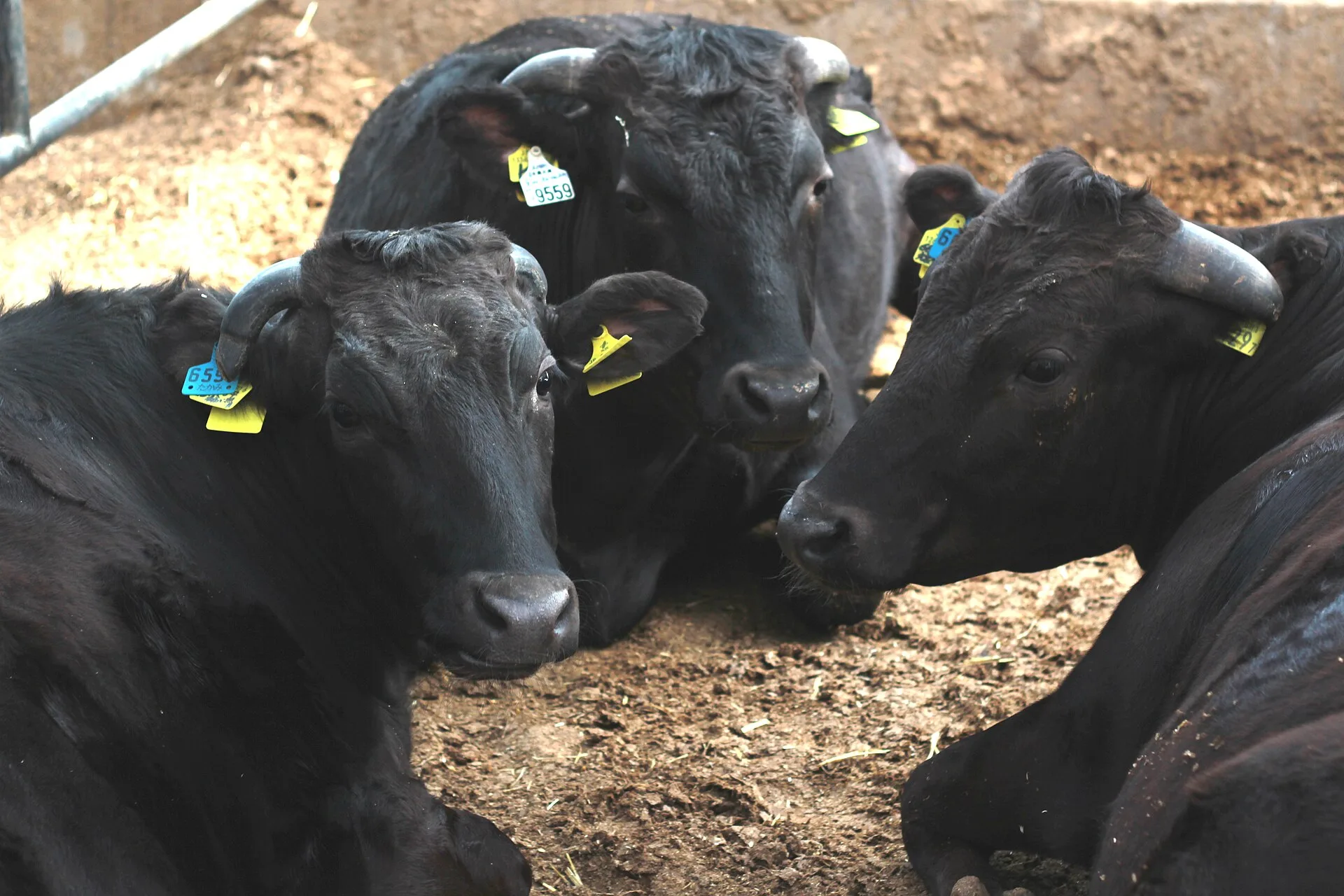
Most people come into the breed one of three ways: semen over an existing dairy or suckler herd, which is the cheapest way to test the water; in-calf full-blood heifers, which is the straightforward route to a pedigree herd; or embryos, which buys the fastest genetic progress at the highest cost per outcome.
Which makes sense depends on your ground, your housing and your route to market. We would far rather have that conversation honestly than sell you an animal that does not suit your setup — and if the answer is that Wagyu is wrong for you, we will say so. There is a longer piece comparing the three routes on the articles page.
Common questions
Questions we get asked
Do you sell semen and embryos as well as live animals?
Yes — semen, embryos and live cattle, and we've supplied all three to buyers in Ireland and across Europe. Semen is usually the sensible place to start if you're new to the breed.
Do you export?
We do, and regularly. Stock from this herd has gone to France, Spain, Scotland, Wales and Portugal. We welcome genuine enquiries from anywhere in the world and will talk you through what's involved.
How long do Wagyu take to finish?
Typically 30 to 36 months, against 20 to 24 for conventional continental breeds. The long finish is what builds the marbling, but you need to plan cashflow around carrying the animal for an extra year or more.
Are Wagyu easy calving?
Yes — low birth weight is one of the breed's most practical advantages, which is why Wagyu straws are widely used over dairy heifers in Ireland.
Do they winter outside?
They are hardy, but on most Irish ground they are housed for the winter like any other herd. The advantage is that they are out on grass for a long grazing season either side of it.
Can I see the herd before buying?
Always, and we'd encourage it. Ring or email to arrange a time and we'll walk you through the herd and the paperwork. If you're travelling any distance, ring ahead so someone is here to do it properly.
Still weighing it up?
Ring Oliver. An honest conversation about whether Wagyu suits your ground costs nothing, and we would far rather talk you out of a bad fit than sell you one.