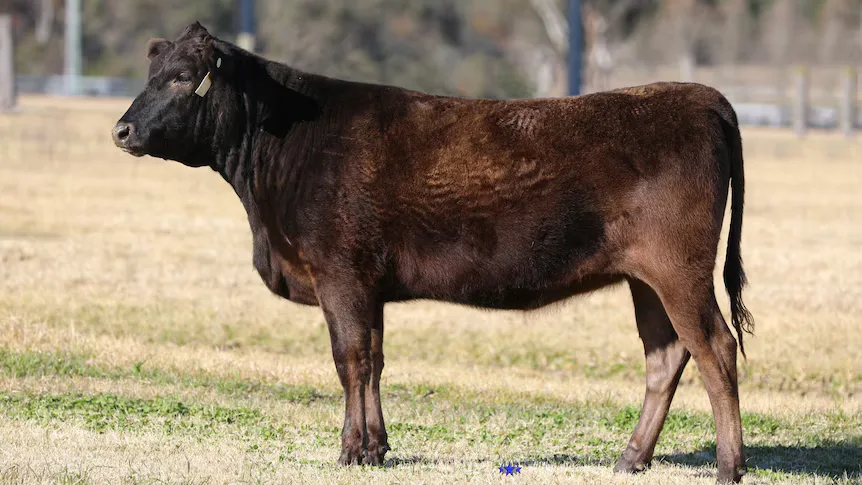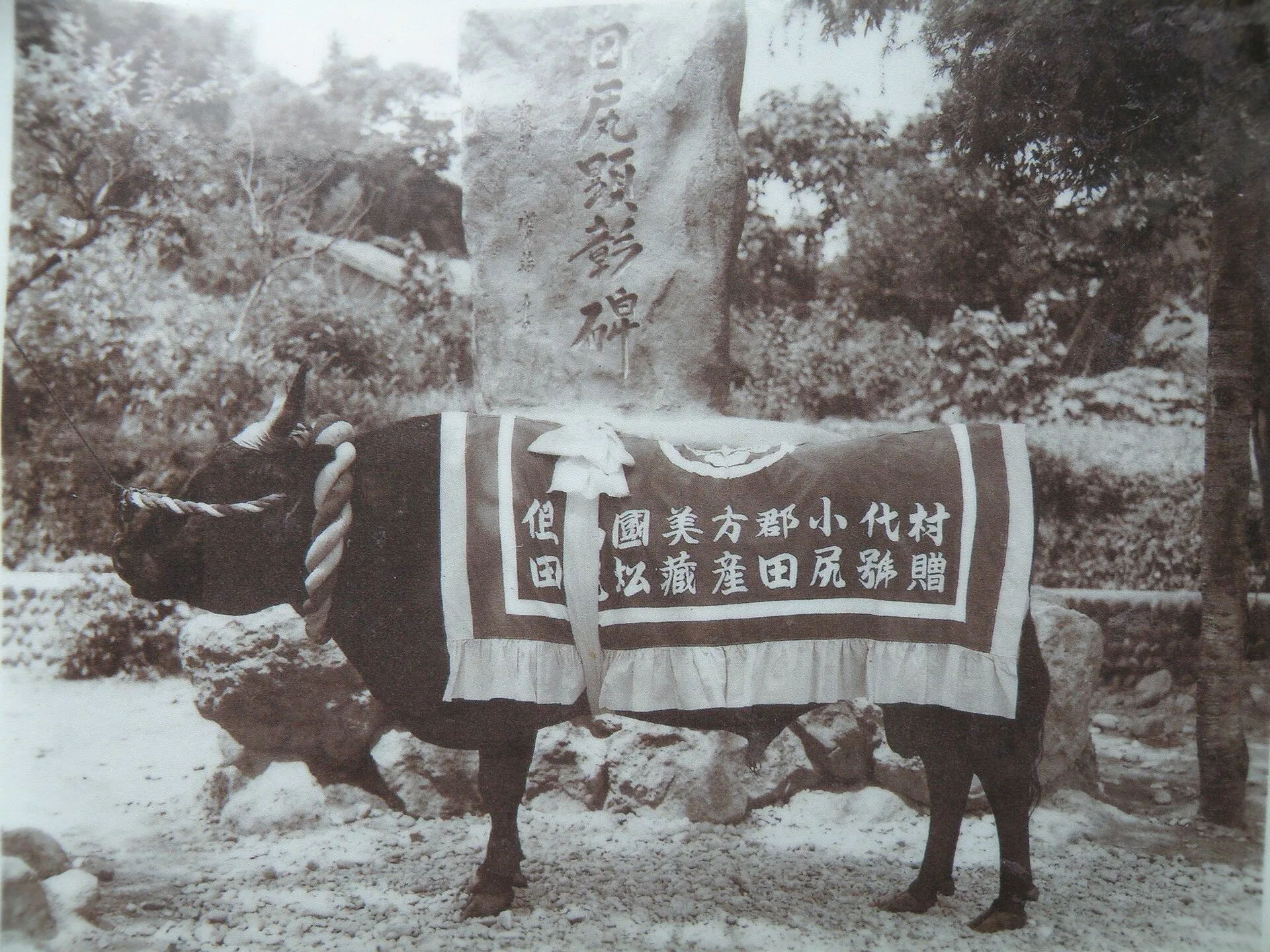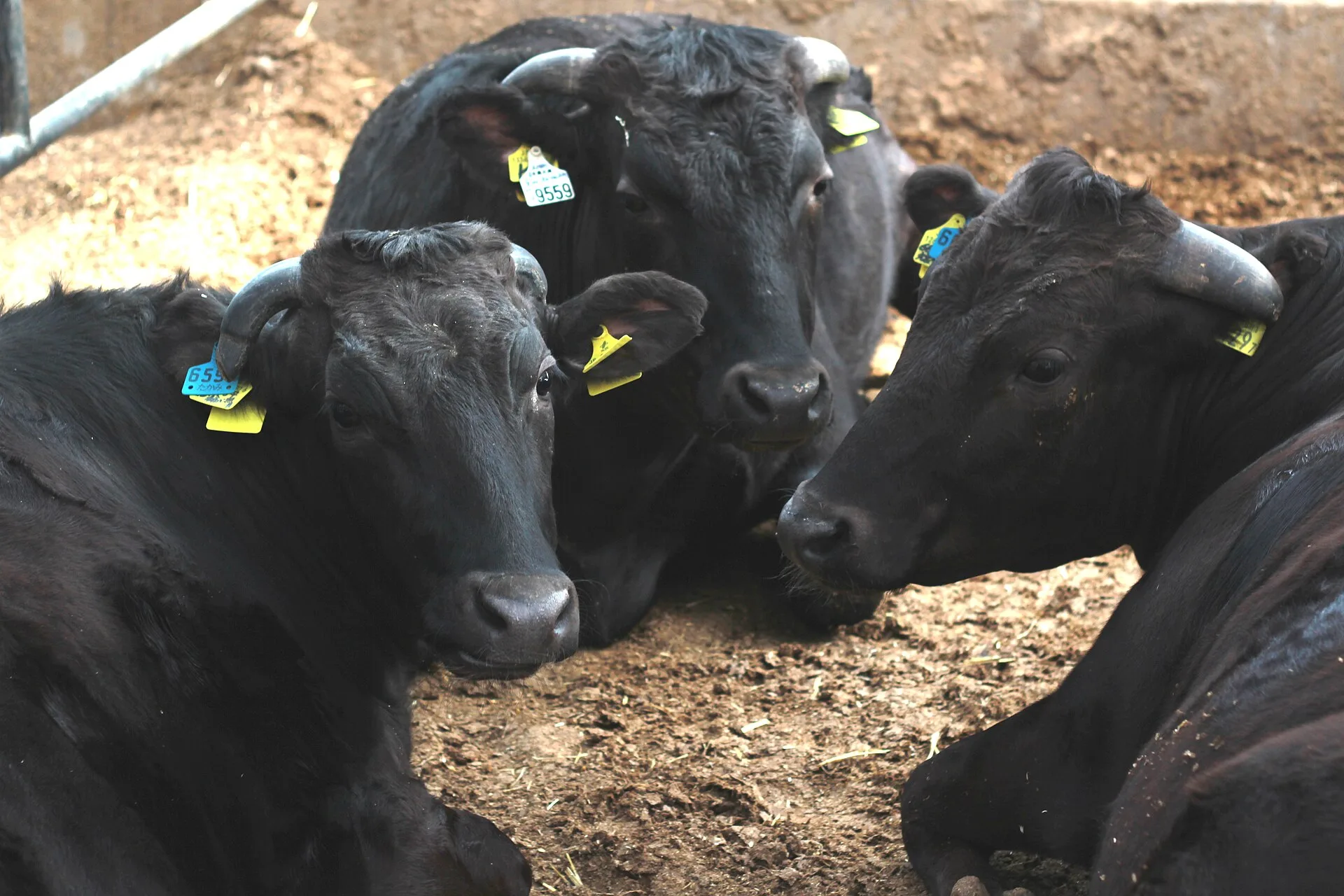
Every few months somebody rings me having read an article about beef selling for extraordinary money in Tokyo, and asks whether they should put a few Wagyu on their ground. It is a fair question badly framed, and the honest answer has very little to do with Japan.
The finish is the whole argument
A conventional continental animal is away at 20 to 24 months. A full-blood Wagyu is not right until 30 months at the earliest, and more realistically 32 to 36. That extra year is not a detail. It is an extra winter’s housing, an extra summer’s grazing, and a year of capital tied up in an animal that is not paying you anything yet.
What you get in exchange is an animal that lays down intramuscular fat over a long, slow finish — and that is not something you can rush with concentrate at the end. The marbling is built over the whole life of the animal, which is precisely why the timeline is not negotiable.
Where grass helps and where it does not
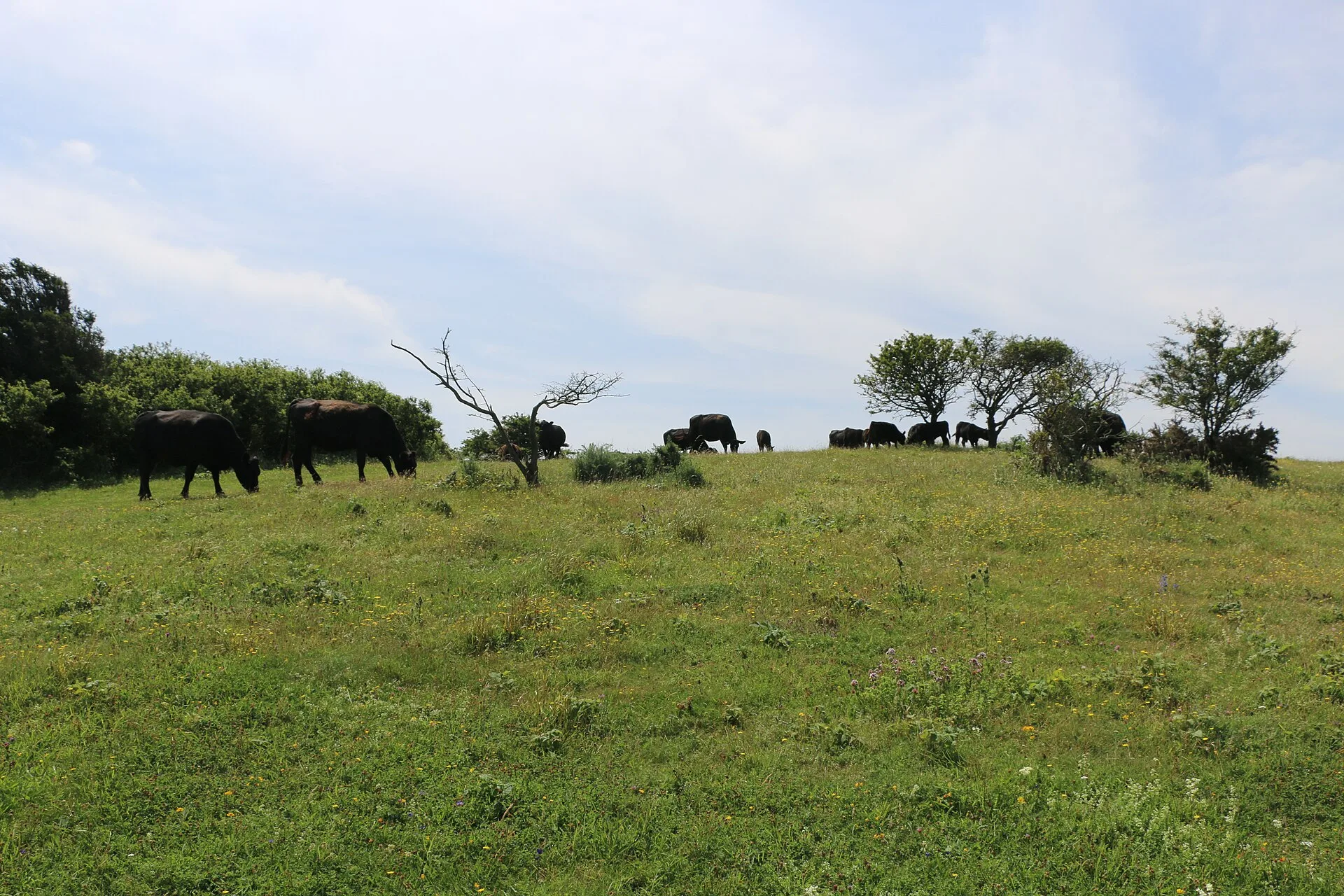
Ireland’s advantage is real. We grow grass cheaply, and a long grazing season is a genuinely good match for a breed that needs time rather than intensity. A Wagyu doing well on grass for two summers with a supported finishing period is a far more sensible proposition here than trying to replicate a feedlot model that our cost base does not support.
Where grass does not help is the last few months. You will need a cereal-based finishing period, and you will need to have budgeted for it. Farmers who try to finish these animals on grass alone are usually disappointed with the carcass and blame the breed.
The grading problem nobody mentions
Here is the part that catches people. We are paid on the EUROP grid, which was designed to describe conformation and external fat cover on continental cattle. A Wagyu carcass will typically grade poorly on that grid — modest conformation, and fat cover that the grid reads as a penalty.
The grid does not measure marbling at all. So the single attribute you spent three years and considerable money building is invisible to the system that pays you.
This is not an argument against the breed. It is an argument that you must have your route to market sorted before you buy the animal, not after. Farmers who have a direct relationship with a butcher, a restaurant group or a specialist processor do well. Farmers who assume the factory will recognise what they have produced do not.
So who should be doing it?
If you have a way to sell the end product at a premium, or you are selling breeding stock into a growing market, the numbers work and work well. If you are hoping to drop Wagyu into a conventional factory-facing system and be rewarded for it, you will be disappointed, and it will not be the cattle’s fault.
Start with straws over a few cows. See what the calves look like in your own system. Make the big decision with your own data rather than mine.
Questions about any of this?
Oliver is happy to talk through anything here — breeding decisions, bloodlines or whether the breed suits your ground.
Get in touch