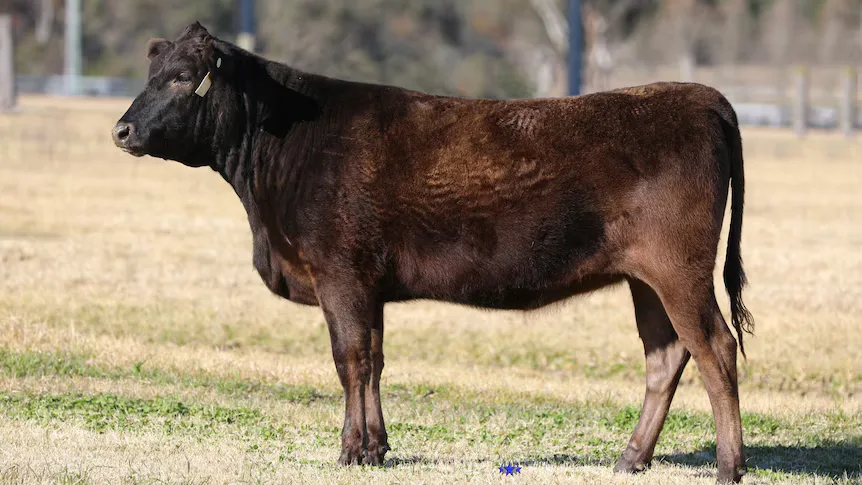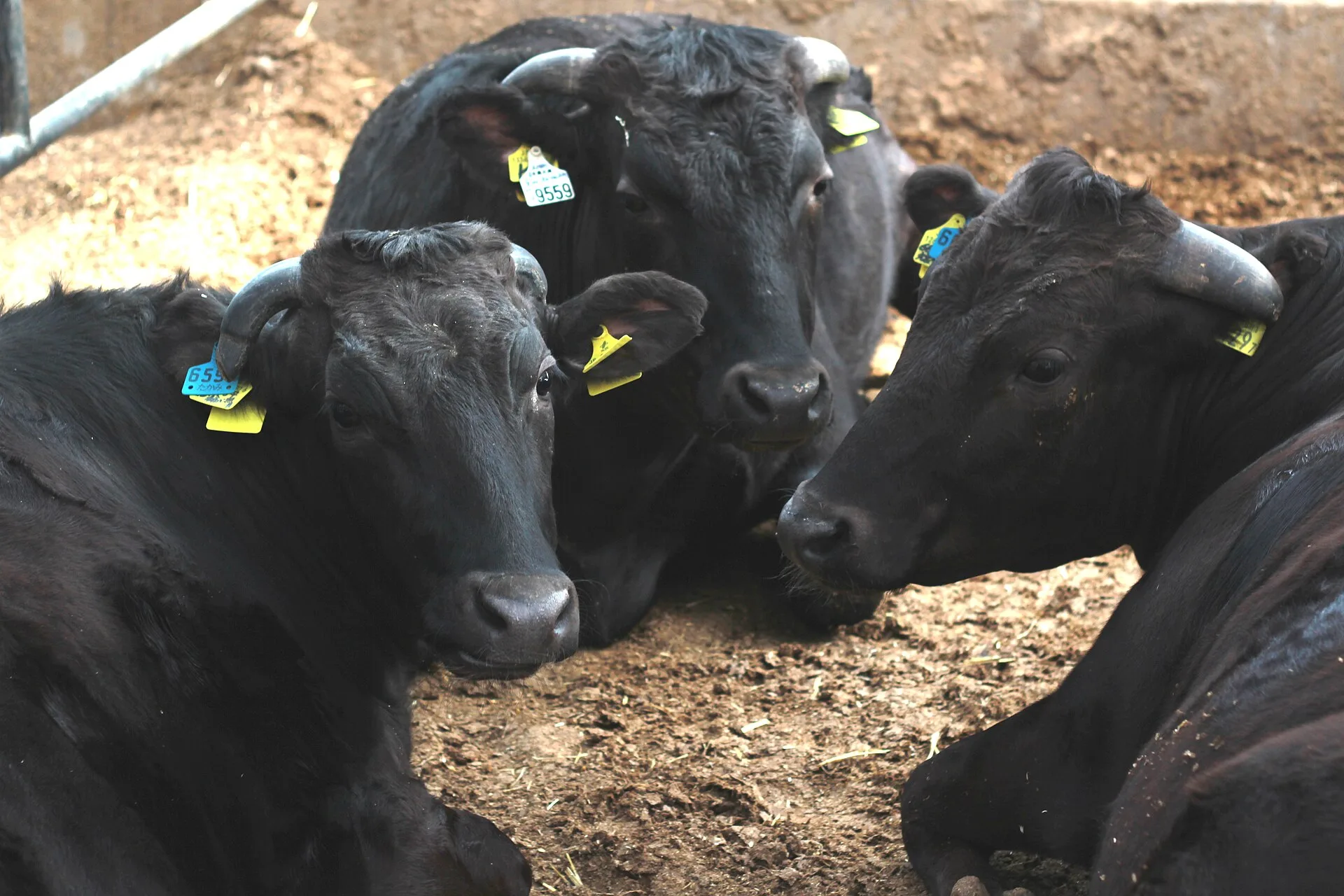
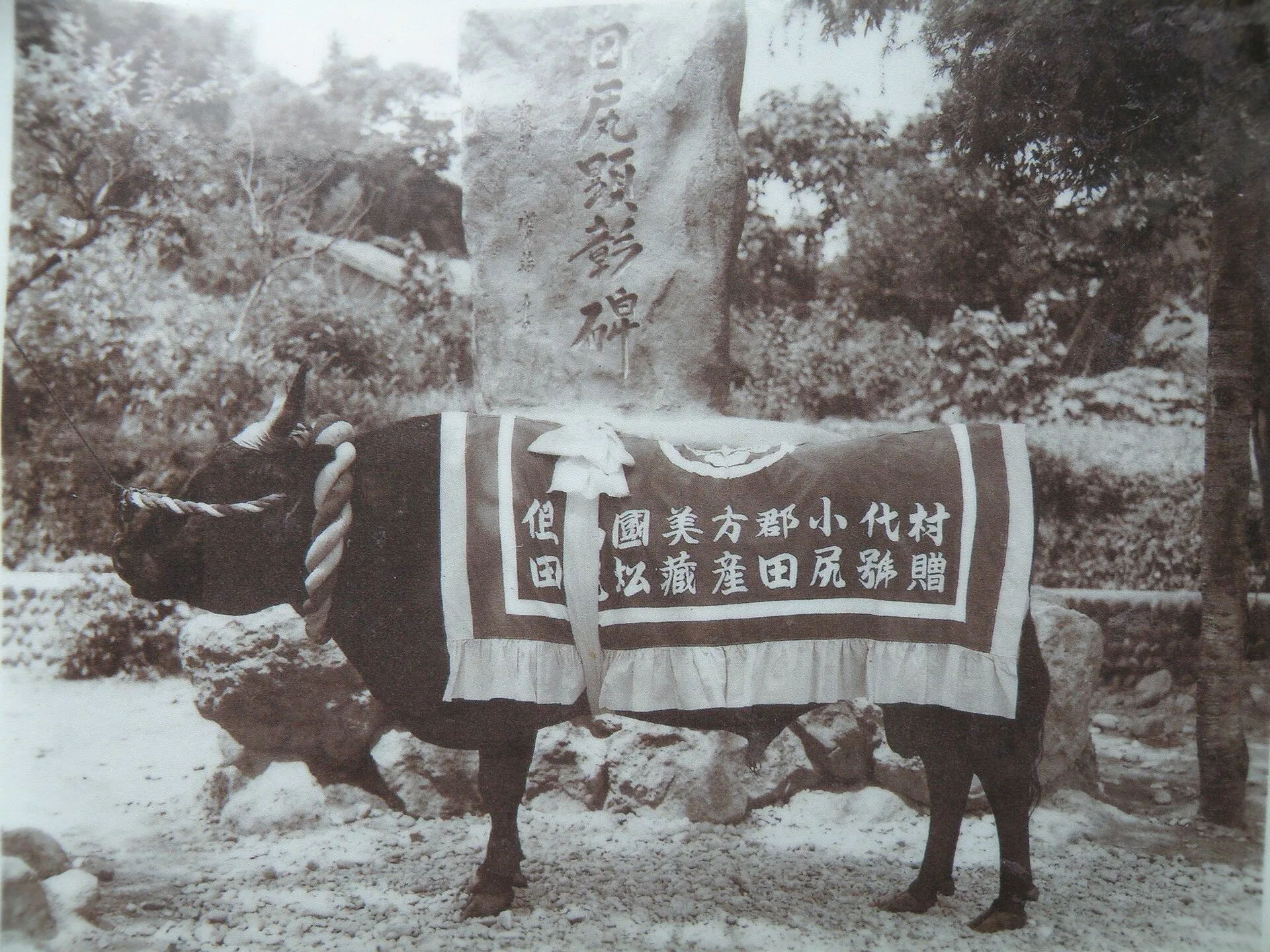
Sit in on any Wagyu conversation for ten minutes and you will hear Tajima, Kedaka, Shimane and Fujiyoshi thrown around as if everyone present knows exactly what is meant. Plenty do not, and are too polite to say so. This is the short version I wish someone had given me at the start.
The four lines, briefly
Tajima comes from Hyogo prefecture and is the source of Kobe beef. It gives the finest and most evenly distributed marbling in the breed, with excellent fat quality and a low melting point. The cost is frame: Tajima animals are smaller, slower growing and lighter at slaughter.
Kedaka, from Tottori, is the opposite trade. Good frame, good growth, good milk in the females — with marbling that is respectable rather than exceptional.
Shimane and Fujiyoshi (Okayama) sit between the two, offering usable size with reasonable marbling. Fujiyoshi in particular is often used to add scale without giving away too much on the carcass.
The mistake almost everyone makes first
New breeders read that Tajima gives the best marbling and conclude they should buy nothing else. Three years later they have a herd of small, slow, late-maturing animals with lovely carcasses that weigh very little — and they discover that they are being paid for marbling they cannot demonstrate and penalised for a carcass weight they can.
The reverse mistake is just as easy. Breed hard for growth and frame, and after two generations you have produced an animal that is essentially an indifferent beef cross wearing a Wagyu pedigree. You have thrown away the only reason anybody was going to pay you a premium.
Balance, and knowing which way you are leaning
A sound programme runs a deliberate balance and knows which direction it is drifting. In our own herd we lean Tajima on the sire side because marbling is what our buyers are ultimately paying for, and we hold frame with Kedaka influence through the cow families. That is a choice, not a formula, and it suits our ground and our market.
Yours may reasonably differ. What matters is that it is a decision you made rather than one that happened to you.
Read the pedigree, then read it again
Whatever you buy, get the pedigree and understand it before money changes hands. Ask which lines are behind the animal and in what proportion, and ask what the breeder was selecting for. Any breeder worth dealing with will be glad you asked — it is a sign you intend to do the thing properly.
Questions about any of this?
Oliver is happy to talk through anything here — breeding decisions, bloodlines or whether the breed suits your ground.
Get in touch